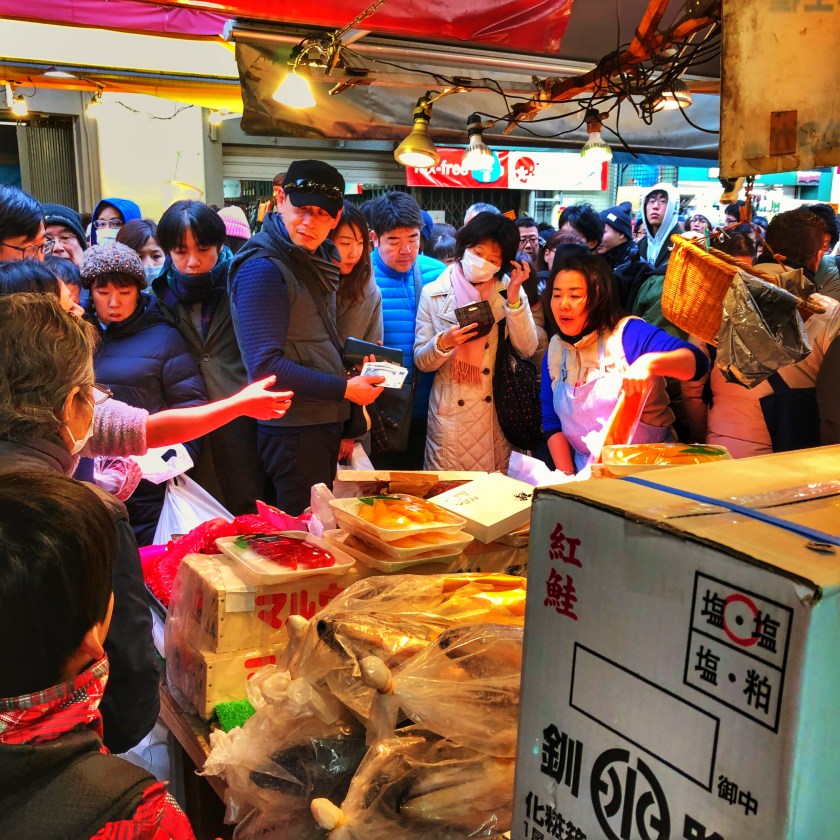
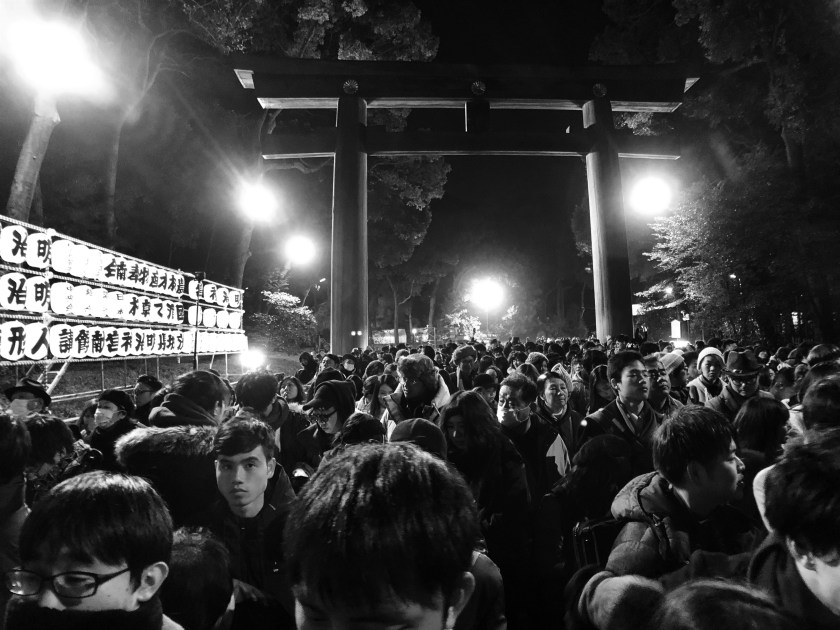
Making pictures every day


I’ve recently read a blog post and seen a YouTube video about why you should take photos everyday – even if you think you suck and feel uninspired.  The blog post was from Eric Kim and the video from Peter McKinnon, both with very large social media following.  The thought resonates for me because shooting is something I do to keep me less stressed and frustrated with things that are going on in the world today.

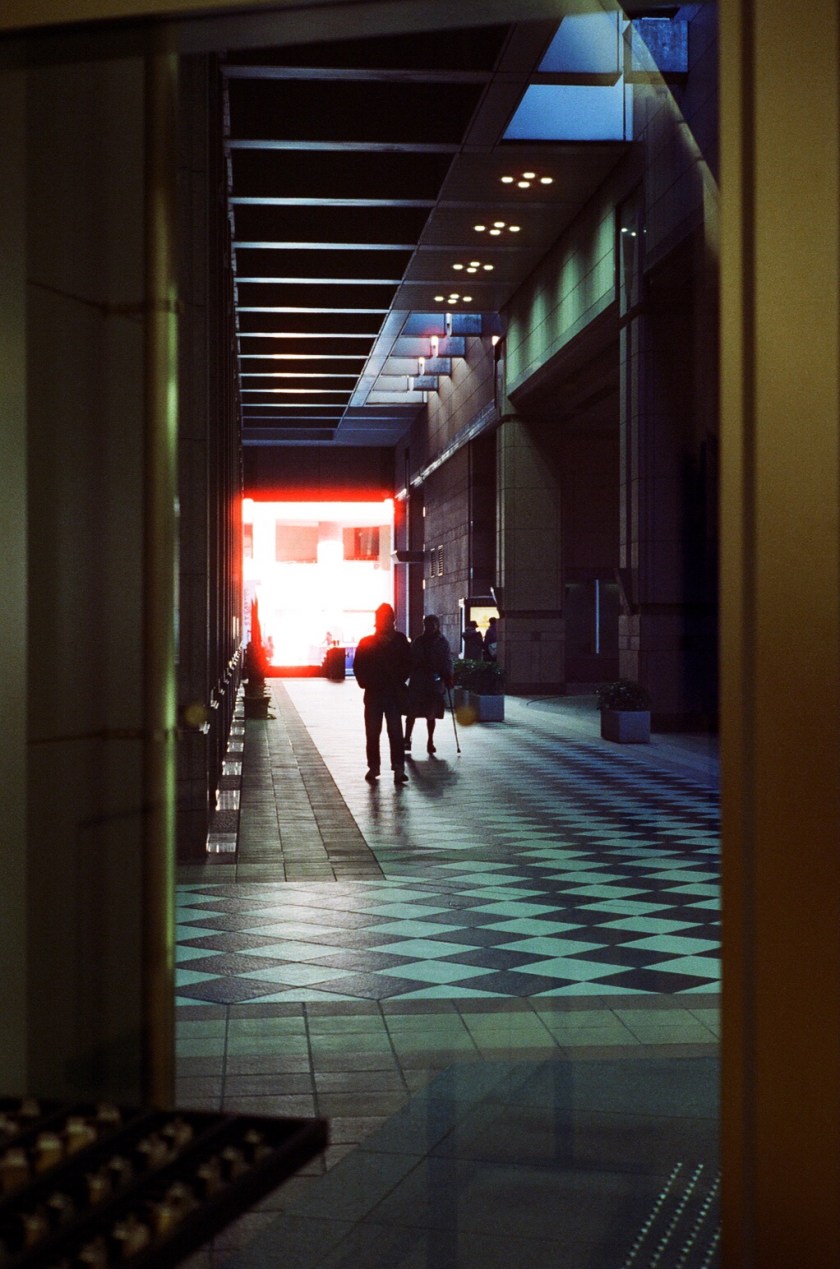
I hope the images I capture tell me something about myself or at the least give me a little joy when a nice image emerges.  I shoot often with iphone for immediate things I am doing or things are happening right around me quickly, and then use a film camera when I have a tiny bit more time (because there’s some preparation I will need to do with a manual camera).

So now making photographs for me is an extension of getting up in the morning and going out.  Whether it’s my phone or film or digital camera, I have something within reach and keep an eye out for something interesting.  I then hope that not all my photographs will suck.
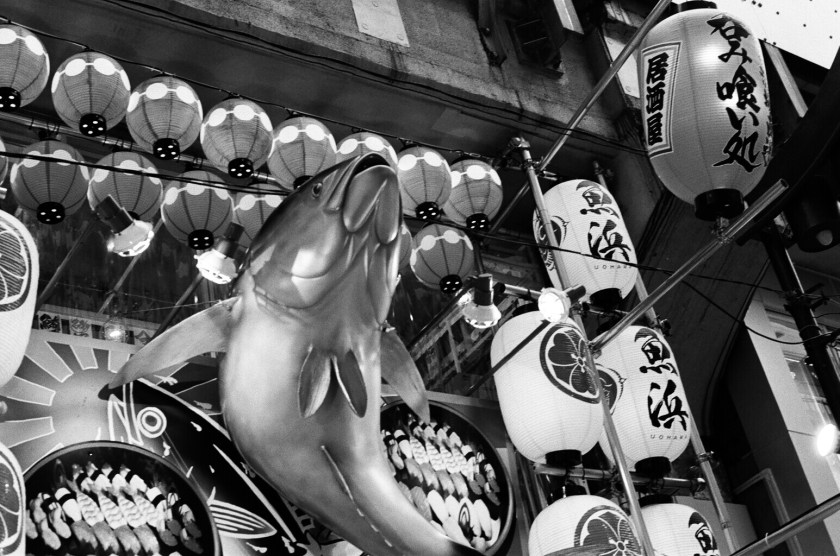
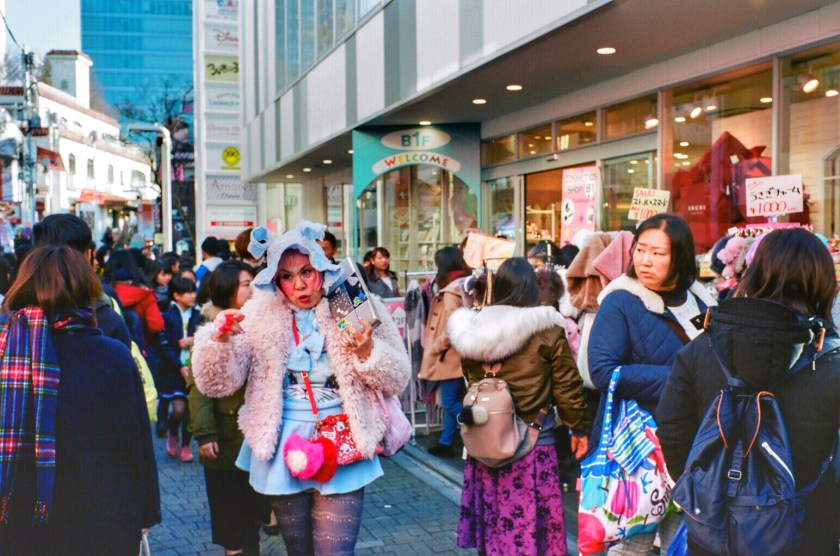
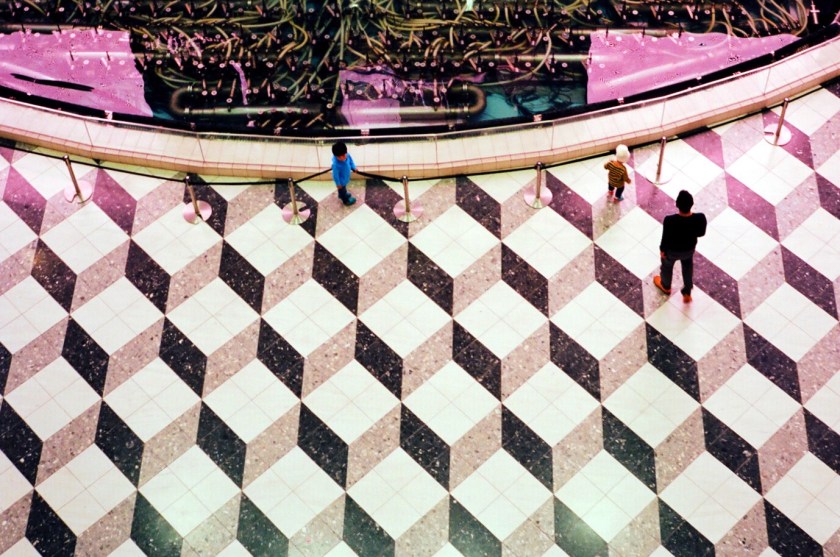
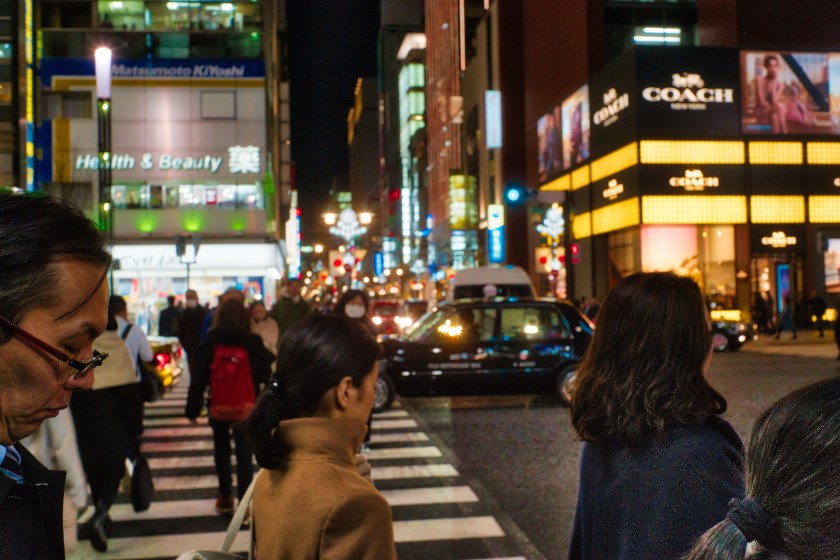
Is a style emerging here?

o

Photography for me right now is therapy – something to decrease stress and increase happiness. It’s also a way to meet new people outside of tech and share ideas. It’s also a way to be more aware of what’s around me as I make my way in the world. I read that photographers should find their own style to set themselves apart from other photographers and people with cameras, but right now I am having fun experimenting with both digital and analog processes, old manual equipment and highly-capable digital equipment, and shooting different subject matter. If I had to choose, film is my preference – I really like the look different black and white and color films can produce. I also enjoy the excitement of getting my negatives back (preview scans in the email to be exact).

I guess at some point a style will begin to emerge and I will settle into a more consistent workflow.

W. Eugene Smith and Eugene Atget exhibits at TOP Museum

Photography is a small voice, at best, but sometimes one photograph, or a group of them, can lure our sense of awareness – W. Eugene Smith on his photo essay of the Minamata incident

I visited the Tokyo Photographic Art Museum which is in the beautiful Ebisu Garden Place complex in Tokyo, Japan.  The museum was exhibiting on 3 floors: 3F – Eugène Atget: The Eternal Inspiration, 2F – Photographs of Innocence and of Experience
Contemporary Japanese Photography vol. 14, 1F – W. Eugene Smith: A Life in Photography.  These shows run through January 28, 2018

On F3 you can see Atget’s beautiful images printed in the methods of his time and then printed in modern methods.  You then move through short but sweet collections of works by Man Ray, Daido Moriyama, Lee Friedlander and others.  F2 offered a nice break with vivid color work from contemporary Japanese (or working-in-Japan) photographers.  The W. Eugene Smith exhibit is huge, covering the major photo essays he did for Life.  It is exhausting to try to take all the images in in one afternoon.  The strongest story for me was for the Minamata incident involving industrial pollution by the Chisso Chemical Co. that ravaged a Japanese fishing community.  My son just studied it in his environmental science class so it was stirring for him as well.

I highly recommend this set of exhibits and TOP Museum.  If you are looking for a place to stay or just have a great breakfast buffet, the Westin Tokyo across the street is wonderful.  My suggestion is to have a breakfast buffet at the Westin, view part of TOP Museum, take a light lunch break in their 1F cafe, view the rest of TOP Museum and then have dinner at any of the fine restaurants on B1F or at the top of the Garden Place Tower (also called TOP); most of them reopen for dinner at 5:30pm.  Ebisu Garden Place is accessible from Ebisu Station on the Yamanote Line.  There is a covered walkway from the station to the complex.

iPhone 8+ camera is very good

IMG_0272(Edited)

IMG_0293(Edited)

I’m in Tokyo and set out to shoot a lot of 35mm film.  I brought the following equipment: Leica M10, Leica M6, Leitz Summicron 35mm f2 and Summicron 50mm f2, Nikon FM3a with Nikkor AF 50mm f1.4.  I still prefer the compact and stealthy Leica M bodies for shooting in crowds but the Nikon’s bright finder, solid clunk of the shutter release and AE mode make it nice to shoot with as well;  I’m just conscious of the big piece of metal in front of my face when I shoot.

Anyway, some days I just carry one of the film cameras and my iPhone 8+ which has the same rear camera set up as iPhone X.  I bring along an Olloclip wide angle/ telephoto clip on lens for the phone.  For travel photos, the wide angle lens is good to get more of a scene in.  The top image was shot without the clip-on wide angle, the bottom B&W image was shot with the wide angle attached.  I use the iPhone for shots I mostly plan on using for Instagram.  Some have turned out so nice I am considering to print them large to see what they look like.

I use Snapseed on the phone to do my editing and find that it has everything I need to punch up color photos to Instagram attractiveness if I want to.

So basically I’m thinking that with the clip on lenses the iPhone replaces a compact camera as backup to my 35mm film and full-frame digital cameras.  I was considering to pick up a Ricoh GRII here in Japan but it seems easier to handle just the iPhone and one real camera at once.  I considered buying the Moment lenses but one advantage of the Olloclip is that both tele and wide are on the same bracket so you just flip it over and shoot with the one you need.  The little nit-picks are: 1) you have to make sure the bracket is centered perfectly or you get vignetting, 2) for telephoto, you need to use a camera app like CameraPixels to select the “T” camera (the wide and tele cameras are side-by-side on the iPhone 8+).